

benefits of copper free mirror
The Plain vs. Block Debate Perspectives on Design and Functionality In the world of architecture and design, debates often arise regarding the choice of forms, materials, and styles. One such ongoing discussion is the contrast between plain designs and block designs. This thematic exploration investigates the aesthetics, functionality, and cultural implications of these two diverse approaches, providing insight into why designers may favor one over the other. The Plain vs . Block Debate Perspectives on Design and Functionality Conversely, block design typically features bold shapes and pronounced volumes. This style thrives on robustness and geometric forms. Block structures can create a sense of presence and authority, often being utilized in commercial buildings, public spaces, and modern homes. The use of concrete, steel, and glass enhances the feeling of strength and permanence. Many architects, like Louis Kahn and Le Corbusier, have embraced block design to craft monumental structures that serve as both functional spaces and works of art. Block design can evoke a sense of modernity, innovation, and even playfulness when creatively employed. plain v block The choice between plain and block designs can significantly impact the functionality of a space. Plain designs may be more adaptable, allowing for easier integration of various furnishings and decor styles. They provide a versatile backdrop that can easily be modified as needs change. In contrast, block designs often impose a specific character on a space, making it more distinctive and memorable. This can be advantageous in creating landmark buildings that define a city’s skyline or cultural identity. Furthermore, cultural context plays a pivotal role in determining the preference for plain versus block designs. In some regions, plain designs may reflect a desire for harmony with nature and sustainability, aligning with local values and traditions. Simplicity can symbolize a return to fundamental human experiences, promoting a sense of belonging and peace. On the other hand, block designs might resonate with urban populations that seek to express progress, innovation, and individuality in rapidly evolving environments. However, the debate between plain and block design is not merely about aesthetic preference. It often reflects broader societal trends and values. For example, during periods of economic prosperity, block designs may become more popular as people celebrate wealth and status through imposing architectural statements. Conversely, during times of economic uncertainty, plain designs might gain favor as communities seek comfort and stability through simplicity. In conclusion, the conversation surrounding plain versus block design encapsulates much more than personal style preference; it reveals deeper insights into cultural values, societal trends, and the psychological impacts of architecture. Each design philosophy carries its unique strengths and weaknesses, and the ultimate choice often depends on specific contextual needs. As designers continue to push boundaries and explore hybrid forms, the interplay between plain and block will remain a central theme in the evolution of architecture and design, continually shaping our built environment. The richness of this debate invites not only architects but also the public to engage in understanding and appreciating the spaces we inhabit.
about
benefits of copper free mirror
The Importance of Large Granite Surface Plates in Precision Engineering Large granite surface plates are essential tools in the field of precision engineering and metrology. Known for their reliability and stability, these plates play a pivotal role in ensuring accurate measurements and surface flatness in various industrial applications. As industries continue to prioritize quality control and precision manufacturing, the significance of granite surface plates becomes increasingly apparent. Granite, as a material, offers several advantages that make it ideal for use in surface plates. One of the primary benefits is its exceptional hardness and durability. Granite is a natural stone that can withstand considerable wear and tear, making it perfect for heavy-duty applications. This robustness ensures that the surface plate remains flat and intact even under significant stress while also resisting scratches and other forms of damage. Another defining feature of granite is its natural resistance to temperature fluctuations. Changes in temperature can cause materials to expand or contract, leading to measurement inaccuracies. However, granite maintains its structural integrity across a range of temperatures, which is crucial for precision engineering. This characteristic ensures that measurements taken on granite surface plates remain stable, irrespective of environmental conditions. Precision is paramount in engineering, and granite surface plates facilitate this with their inherent flatness. These plates are carefully manufactured and calibrated to achieve a high degree of flatness, measured in microns. This level of precision is critical in various applications, including machining, assembly, and quality assurance, where even minor deviations can lead to significant consequences in product performance. large granite surface plate Large granite surface plates also provide a sturdy work surface for the placement of workpieces and measurement instruments. Their substantial weight and stability help to absorb vibrations and minimize external disturbances, thereby enhancing the accuracy of measurements taken on or against them. This characteristic is particularly beneficial in high-precision industries such as aerospace, automotive, and electronics. Moreover, maintaining and using large granite surface plates is relatively straightforward. They typically require minimal maintenance, and regular cleaning is all that is needed to preserve their functionality . This ease of maintenance allows manufacturers to focus on production without the added burden of complex upkeep procedures. In addition to these practical benefits, granite surface plates also contribute to the operational efficiency of measuring instruments. By providing a stable reference surface, they enable precise calibration of tools such as micrometers, calipers, and gauges. This calibration is vital for ensuring that measurement tools deliver accurate results, further supporting the overall quality assurance process. In conclusion, large granite surface plates are indispensable in the realm of precision engineering. Their unique properties, including hardness, temperature stability, and exceptional flatness, make them ideal for a wide range of applications. As industries continue to seek out methods to improve precision and quality, the role of granite surface plates will undoubtedly remain central to achieving these goals. Investing in a high-quality granite surface plate can yield substantial benefits, positioning manufacturers on the path to success in an increasingly competitive marketplace.
-

High quality industrial productsagement

High quality industrial products
View Details -

Meet the diverse needs of customers

Meet the diverse needs of customers
View Details -

Strict quality control

Strict quality control
View Details -

Top raw materials

Top raw materials
View Details -

Trusted supplier

Trusted supplier
View Details
Our application
news and information
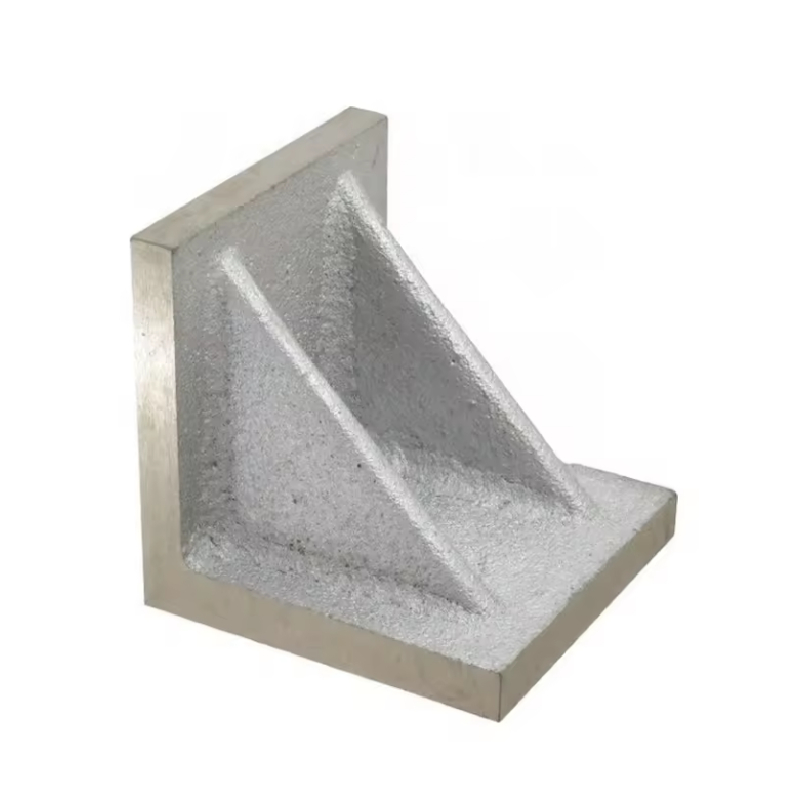
Versatile Clamping Kit for Welding Table Setup and Home Projects
The Importance of a Welding Table Clamp Kit Welding is a skill that requires precision, control, and
y strainer pn16
Understanding Y-Strainers and Their Importance in PN16 Applications In industrial applications, flui

Válvula de equilíbrio estático para sistemas hidráulicos eficientes e de fácil ajuste
Válvula de Balanceamento Estático Importância e Aplicações A válvula de balanceamento estático é um
 English